
Traditional Vietnamese Massage Inside the Art Spa Signature Ritual
Traditional Vietnamese massage in Hoi An can be more than a standalone massage. Inside a Signature-style ritual, it becomes part of a slower wellness sequence with warm pressure, herbal elements and time to recover.
This article focuses on the Vietnamese massage element within a premium spa journey. For the complete package context, visit the Art Spa Signature Experience or the luxury spa Hoi An guide.
After a day of exploring the sun-drenched yellow alleys of Hoi An Ancient Town, do your legs feel heavy and your energy levels depleted? It is a common sensation for international travelers who find themselves captivated by the UNESCO World Heritage site, often walking miles across cobblestone streets or cycling through the lush rice paddies toward the coast. While the beauty of Central Vietnam is undeniable, “temple fatigue” and muscle soreness are real side effects of a busy itinerary. Finding an authentic, high-quality Vietnamese massage in Hoi An amidst a sea of tourist traps can be overwhelming, yet it is the single best way to reset your body. This comprehensive 2026 guide will demystify traditional Vietnamese healing arts, compare local techniques to global styles, and reveal why Art Spa is the premier destination for a signature wellness experience.
What Is This Massage or Spa Treatment
To understand the essence of a Vietnamese massage in Hoi An, one must look back at centuries of traditional medicine. Locally known as “Tẩm Quất,” this practice is deeply rooted in the philosophy of balancing “Khi” (energy) flows throughout the body. Unlike Western styles that focus primarily on anatomy and physiology, Vietnamese healing arts view the body as a network of energy channels. When these channels are blocked by stress, fatigue, or poor circulation, it leads to pain and illness. The goal of a traditional session is to remove these blockages and restore the natural rhythm of the body.
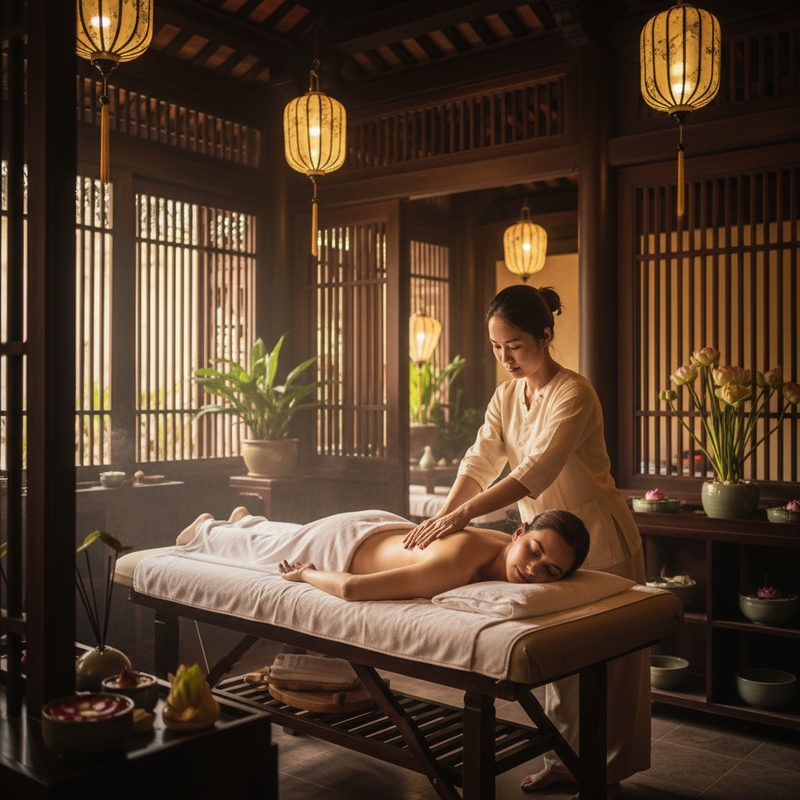
In 2026, wellness tourism has become a cornerstone of the Hoi An travel landscape. Visitors are no longer just looking for a quick rubdown; they are seeking a holistic connection to Vietnamese culture. The traditional technique is distinct because it focuses heavily on “pressing” and “clapping.” You will notice the therapist using their thumbs, knuckles, and palms to apply rhythmic pressure to specific points. This is not just random touching; it is a calculated effort to stimulate the nervous system and blood flow.
How does it differ from other famous Asian styles? If you have had a Thai massage, you are likely used to intense stretching and being moved into yoga-like positions. Vietnamese massage involves far less stretching and more concentrated pressure point work. Compared to a Swedish massage, which uses long, gliding strokes and oils to relax the surface muscles, the Vietnamese approach goes deeper into the “huyet” (acupoints) to trigger a healing response from within. For the modern digital nomad spending hours hunched over a laptop in one of Hoi An’s famous cafes, this pressure point therapy is the secret to instant recovery, targeting the neck, shoulders, and lower back with precision.
Benefits of Massage
The benefits of a body massage in Hoi An extend far beyond mere relaxation. In the humid, tropical climate of Central Vietnam, the body often retains water and feels sluggish. A professional massage acts as a natural detoxification process. By stimulating the lymphatic system, the massage helps your body flush out toxins more efficiently, which is particularly helpful if you have been indulging in the rich (and delicious) local street food.
For international travelers, the most immediate benefit is jet lag recovery. Crossing time zones disrupts the body’s internal clock and causes poor circulation. A full body massage in Hoi An re-oxygenates the blood and helps reset your circadian rhythm, allowing you to sleep better and wake up refreshed for your next adventure. Furthermore, the physical toll of “temple fatigue”—that specific ache in the calves and lower back from standing on hard surfaces—is mitigated through deep tissue work that releases lactic acid buildup.
There is also a significant mental health component. In the fast-paced world of 2026, finding a moment of true silence is rare. The meditative environment of a high-end spa, combined with the rhythmic movements of a skilled therapist, lowers cortisol levels and boosts serotonin. It is a mental “unplugging” that is just as vital as the physical repair. Whether it is a head massage in Hoi An to clear a tension headache or a relaxing massage in Hoi An to soothe the soul, the physiological benefits are backed by both tradition and modern wellness science.
Popular Types of Massage in Hoi An
When you walk through the streets of the Ancient Town, you will see many menus, but understanding the specific treatments will help you choose the right one for your needs. In 2026, the variety of services has expanded to include both ancient rituals and modern adaptations.
- Full Body Massage: This is the gold standard. It typically combines traditional Vietnamese pressure point techniques with long strokes. It is designed to treat the body as a whole, ensuring that no muscle group is left unattended.
- Deep Tissue Massage: For those who prefer firm pressure, a deep tissue massage in Hoi An is ideal. It targets the deeper layers of muscle and connective tissue, making it perfect for hikers or those with chronic muscle knots.
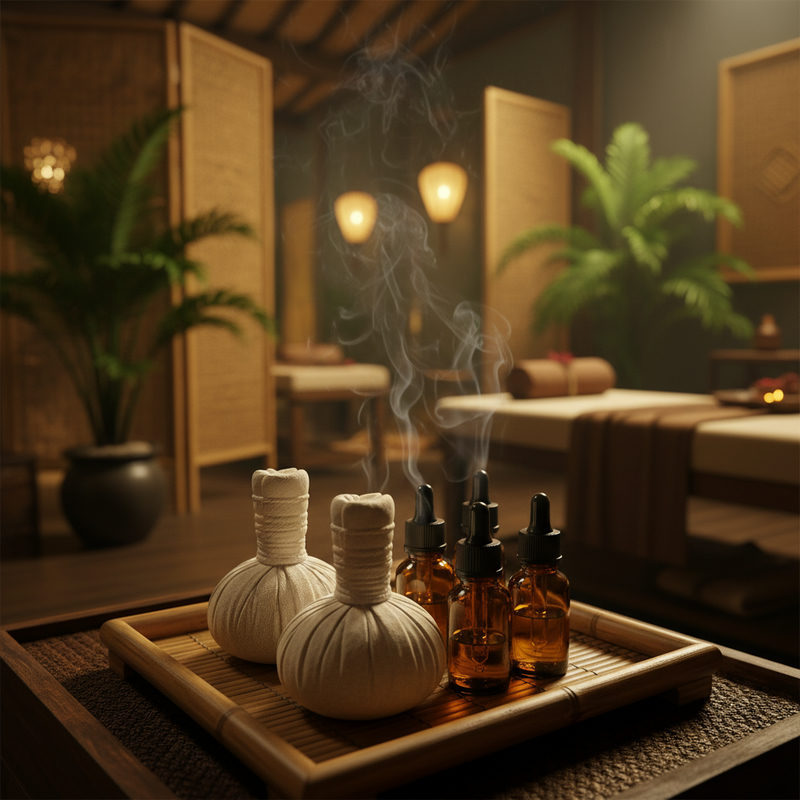
- Herbal Massage: This is a sensory delight. Therapists use steamed muslin bags filled with local herbs like ginger, lemongrass, cinnamon, and mugwort. The heat from the herbal massage in Hoi An allows the medicinal properties of the plants to penetrate the skin, reducing inflammation and creating a deep sense of warmth.
- Foot Massage & Reflexology: After a long day of massage after walking Hoi An, your feet deserve special attention. This treatment focuses on the reflex points on the soles of the feet that correspond to different organs in the body.
- Head Massage & Vietnamese Herbal Hair Wash: A rising trend in 2026 is the “Gội Đầu Thảo Dược.” This isn’t just a hair wash; it’s a therapeutic head, neck, and shoulder massage using natural shampoos made from bo ket (locust Gleditsia) and other forest herbs. It’s incredibly refreshing in the afternoon heat.
Why Tourists Love Massage in Hoi An
Why has Hoi An become such a hub for wellness? It’s the combination of atmosphere and expertise. There is something magical about receiving a relaxing massage in Hoi An while the scent of incense drifts through the air and the sound of distant temple bells or the Thu Bon River creates a natural soundtrack. The town itself has a slow, rhythmic pace that lends itself perfectly to the spa culture.
Tourists also appreciate the incredible value. In 2026, while prices have adjusted for the modern economy, you can still receive a world-class, 90-minute luxury treatment for a fraction of what it would cost in London, New York, or Sydney. This accessibility allows travelers to incorporate wellness into their daily routine rather than it being a once-a-year treat. Furthermore, the hospitality of the Vietnamese people shines through in the spa industry. The therapists are often trained from a young age in the art of caretaking, leading to a level of intuition and gentleness that is hard to find elsewhere.
What Happens During a Massage Session
If you are new to the experience of a Vietnamese massage in Hoi An, knowing what to expect can help you relax. Upon entering a reputable establishment like Art Spa, you will typically be greeted with a cool towel and a glass of local herbal tea—often ginger or lotus seed—to begin the hydration process. You will be asked to fill out a short form indicating your preferred pressure level and any areas that need extra attention (like those sore “walking legs”).
You will then be led to a private or semi-private room. For a full body massage in Hoi An, you will be provided with comfortable, loose-fitting silk or cotton pajamas or asked to change into spa undergarments. The session usually begins with a traditional foot soak in warm water infused with lemongrass, lime, and sea salt. This isn’t just for cleanliness; it’s a ritual to “ground” the guest and draw heat away from the head.
Once on the table, the therapist will begin with light movements to warm up the muscles before moving into the specific Vietnamese techniques of kneading and pressure point stimulation. If you have opted for a deep tissue massage in Hoi An, the therapist may use their elbows or forearms to reach deeper muscle layers. Throughout the session, the room will be dimly lit, often with soft traditional music playing, creating a cocoon of peace. The session usually ends with a gentle stretch and a final cup of tea to help your body process the toxins released during the treatment.
Tips for Choosing a Good Spa in Hoi An
With hundreds of spas in the city, how do you find the “best” one? In 2026, the standard of service has risen, but there are still key indicators of quality. First, look at the ambiance. A top-rated spa should feel like an escape from the busy street. It should be clean, well-ventilated, and quiet. If a spa is aggressively “barking” at you from the sidewalk, it may not offer the tranquil experience you are looking for.
Check for therapist certifications. The best spas invest in their staff, ensuring they understand anatomy and traditional techniques. Reviews on platforms like Google Maps are invaluable. Look for recent 2026 reviews that mention specific details like “cleanliness,” “professionalism,” and “pressure consistency.” Also, consider the products used. A high-quality spa will use natural, locally sourced essential oils (like cold-pressed coconut or lemongrass) rather than cheap synthetic oils that can irritate the skin. Finally, boutique spas like Art Spa often offer a more personalized experience than large resort wellness centers, where the service can sometimes feel “mass-produced.”
Signature Spa Experiences in Hoi An
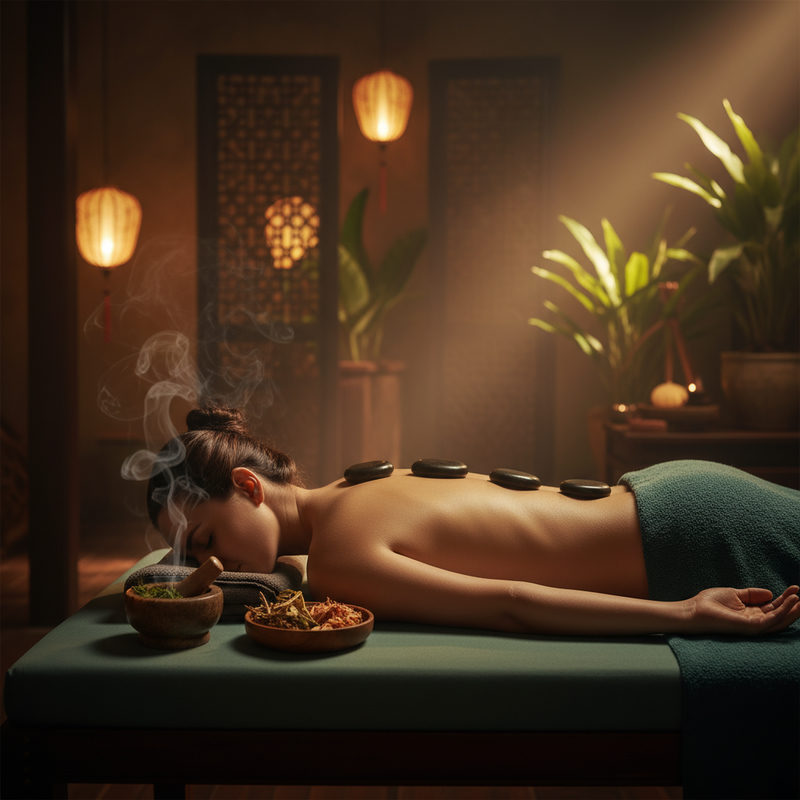
For those seeking the pinnacle of relaxation, a signature experience is a must. These treatments are often curated to tell a story of Vietnamese heritage. At the heart of the 2026 wellness scene is the combination of heat and tradition. One of the most sought-after treatments is the Hot Stone therapy combined with traditional Vietnamese techniques. Smooth, basalt stones are heated and placed on key energy points of the body, while others are used as extensions of the therapist’s hands to melt away tension.
The science behind hot stone therapy is fascinating; the heat helps to expand blood vessels, which encourages blood flow and allows the therapist to work on deep tissue without the need for excessive, painful pressure. When combined with a herbal massage in Hoi An, where warm compresses of medicinal plants are applied to the skin, the result is a profound state of relaxation that can last for days. You can explore these curated journeys by visiting the Art Spa Signature Experience page, which details how they blend ancient wisdom with modern luxury.
Experience at Art Spa Hoi An
Art Spa Hoi An has established itself as a leader in the 2026 wellness market by focusing on the “Art” of healing. Located conveniently near the Old Town, it serves as a sanctuary for those who want to escape the midday heat or unwind after a sunset walk. The philosophy here is simple: every guest is a canvas, and every treatment is a masterpiece of care.
When you visit Art Spa Hoi An, you aren’t just getting a treatment; you are entering a space designed for total rejuvenation. Their 2026 menu has been refined to include specialized treatments for the modern traveler. Whether you need a full body massage in Hoi An to recover from a long flight or a specific head massage in Hoi An to relieve the stress of digital work, their therapists are trained to adapt to your specific body type. You can view their full range of professional services and book your session directly at Art Spa Services. Their commitment to using premium, organic oils and maintaining the highest standards of hygiene makes them a top choice for discerning travelers.
Prices or Service Duration
In 2026, pricing for a Vietnamese massage in Hoi An remains very competitive, though it varies based on the level of luxury and the duration of the treatment. Generally, you can expect three standard durations:
- 60 Minutes: Perfect for a targeted treatment, such as a foot massage or a quick neck and back session. Prices typically range from $15 to $25 USD (350,000 – 600,000 VND) at reputable boutique spas.
- 90 Minutes: This is the recommended duration for a full body massage in Hoi An. It allows the therapist enough time to work through the entire body and then return to specific “problem areas” like the lower back or shoulders. Prices usually range from $25 to $40 USD (600,000 – 950,000 VND).
- 120 Minutes: The ultimate indulgence. This often includes a combination of a body massage and a secondary treatment like a facial, herbal hair wash, or an extended hot stone session. Expect to pay $45 to $70 USD (1,100,000 – 1,700,000 VND).
While you may find “budget” options for $10, be aware that these often compromise on therapist pay, cleanliness, and the quality of oils used. Investing a few extra dollars in a professional establishment ensures a safer and significantly more effective healing experience.
Who Should Try This Massage
Is a Vietnamese massage in Hoi An right for you? The answer is almost certainly yes, but it is especially beneficial for certain groups:
- The Active Explorer: If your step counter is hitting 20,000 a day from walking the Ancient Town and the beach, your muscles are crying out for a massage after walking Hoi An.
- The Digital Nomad: If you are working remotely from Vietnam, the “tech neck” and wrist strain from laptop use can be corrected through targeted deep tissue massage in Hoi An.
- The Stressed Professional: If you have come to Hoi An to escape a high-pressure job, the relaxing massage in Hoi An techniques will help lower your heart rate and clear your mind.
- The Wellness Enthusiast: If you enjoy exploring different cultural healing traditions, the unique pressure point and “Khi” balancing of Vietnamese massage is a must-try.
Note: If you are pregnant, have high blood pressure, or have recent injuries, always inform your therapist beforehand so they can adjust the technique or recommend a gentler treatment.
Tips for the Best Spa Experience
To make the most of your 2026 wellness journey, follow these practical tips:
- Book in Advance: Peak hours in Hoi An are between 5:00 PM and 8:00 PM, as travelers finish their sightseeing and head toward dinner. To ensure you get your preferred time and therapist, make a reservation at least a few hours (or a day) in advance.
- Communicate: Don’t be shy! If the pressure is too hard or too light, tell your therapist. They want you to enjoy the experience, but they aren’t mind readers. Use simple terms like “More pressure, please” or “Softer, please.”
- Hydrate: Massage releases metabolic waste from your muscles. Drinking plenty of water (and the tea provided) after your session helps your kidneys process these toxins.
- Tipping Etiquette: In 2026, tipping is not mandatory in Vietnam but is highly appreciated. If you received exceptional service, a tip of 50,000 to 100,000 VND (approx. $2-$4 USD) is a kind gesture that goes directly to the therapist.
- Location Matters: While there are great spas near An Bang Beach, the highest concentration of top-rated boutique spas is located just on the outskirts of the Ancient Town, offering a quiet retreat away from the main tourist foot traffic.
Frequently Asked Questions
Is Vietnamese massage painful?
It shouldn’t be painful. While it involves firm pressure on specific points, it is a “productive” sensation. If you ever feel sharp pain, simply ask your therapist to adjust the pressure. Most travelers find it deeply satisfying and less intense than a traditional Thai massage.
What should I wear to a spa in Hoi An?
You can wear whatever you like to the spa. Most professional establishments will provide you with a change of clothes (loose pajamas) or a robe and spa underwear for your treatment to ensure your own clothes stay clean and oil-free.
Can I get a massage if I have a sunburn?
Hoi An can be very sunny! If you have a sunburn, avoid deep tissue or hot stone massages. Instead, ask for an Aloe Vera wrap or a very gentle relaxing massage in Hoi An using cooling oils to help soothe the skin without causing irritation.
How often should I get a massage during my trip?
Many travelers in 2026 choose to get a foot massage daily after walking and a full body massage in Hoi An every 2-3 days. It’s a great way to maintain your energy levels throughout a long journey across Vietnam.
Are the herbal ingredients safe?
Yes, reputable spas like Art Spa use natural, locally sourced herbs like lemongrass, ginger, and pomelo peel. These have been used in Vietnamese medicine for centuries. If you have specific skin allergies, always notify the staff during your consultation.
Conclusion
A Vietnamese massage in Hoi An is more than just a luxury; it is a cultural healing practice that is essential for any 2026 itinerary. In a town that invites you to slow down and appreciate the beauty of the past, taking an hour or two to care for your physical well-being is the ultimate way to honor that spirit. From the precision of pressure point therapy to the deep warmth of a herbal massage in Hoi An, the right spa experience can transform your trip from a tiring vacation into a rejuvenating journey. Whether you are recovering from “temple fatigue” or simply seeking a moment of peace, the skilled hands of a local therapist offer a bridge to ancient wellness. Ready to rejuvenate? Book your signature treatment at Art Spa Hoi An today and experience the pinnacle of Vietnamese wellness.
Recommended main guide: This article supports our main SEO pillar page: Best Spa Hoi An 2026: Top Wellness & Massage Guide. Read that guide for the complete overview, then use this page for the specific topic above.